
Simple Meal Planning for People With Busy Lives
Modern life often leaves little time for thoughtful eating, but nutrition doesn’t have to be sacrificed due to a busy schedule. Meal planning is one of the most effective tools to maintain healthy eating habits while balancing work, family, and social commitments. When approached strategically, meal planning reduces stress, prevents last-minute unhealthy choices, and ensures that every meal supports energy, focus, and long-term wellness.
Why Meal Planning is Essential for Busy People
Without planning, the natural inclination is to rely on convenience foods, skip meals, or grab whatever is immediately available. These choices often lead to imbalanced meals, overconsumption of processed foods, and reduced intake of essential nutrients. Meal planning offers structure, clarity, and intentionality in daily eating, which not only improves physical health but also simplifies life. It prevents grocery store anxiety, reduces waste, and allows more consistent adherence to a healthy eating pattern.
Beyond nutrition, planning meals ahead also improves mental well-being. Knowing that your meals are prepared and balanced reduces stress and decision fatigue, freeing mental energy for other aspects of your day. It fosters a proactive mindset toward health rather than reactive or rushed eating.
Start with Meal Templates
One of the most practical strategies is to use simple meal templates. Templates focus on balanced combinations rather than specific recipes, providing a flexible framework for meal planning. For example, a breakfast template might include a protein source (eggs, Greek yogurt, or tofu), a fruit or vegetable, and a whole grain. Lunch could be a lean protein, mixed vegetables, and a complex carbohydrate, while dinner could include a protein, a side of seasonal vegetables, and healthy fats. Using templates reduces the overwhelm of thinking about every ingredient while still ensuring balanced nutrition.
Templates also allow for variety by swapping ingredients based on availability, seasonality, or personal preferences. This keeps meals interesting and reduces boredom, which can often derail consistent healthy eating.

Batch Cooking and Prepping Ingredients
Batch cooking is a time-saving strategy that allows busy individuals to prepare staples ahead of time. Cooking grains, beans, roasted vegetables, or proteins in large quantities enables you to mix and match ingredients throughout the week. For instance, a batch of roasted chicken can be used in salads, wraps, or stir-fries, while cooked quinoa can serve as a base for lunch bowls or a side dish for dinner.
Prepping ingredients-washing and chopping vegetables, marinating proteins, or portioning snacks-reduces day-to-day cooking time and decision-making. Even dedicating just a few hours once or twice a week to prep can significantly ease the weekday rush and support consistent healthy meals.
Flexible Planning for Real-Life Schedules
Strict meal plans rarely succeed for busy lifestyles. Flexibility is key. Plan for a few core meals that serve as anchors in your week, but leave room for improvisation with leftovers or quick-prep meals. This approach accommodates unexpected meetings, social events, or changes in appetite while maintaining nutritional consistency.
Flexibility also reduces guilt and stress. Knowing that a missed meal or ingredient substitution does not derail your entire plan encourages a sustainable approach to healthy eating. Over time, flexible meal planning becomes intuitive, making healthy choices easier and less time-consuming.
Incorporating Smart Convenience Options
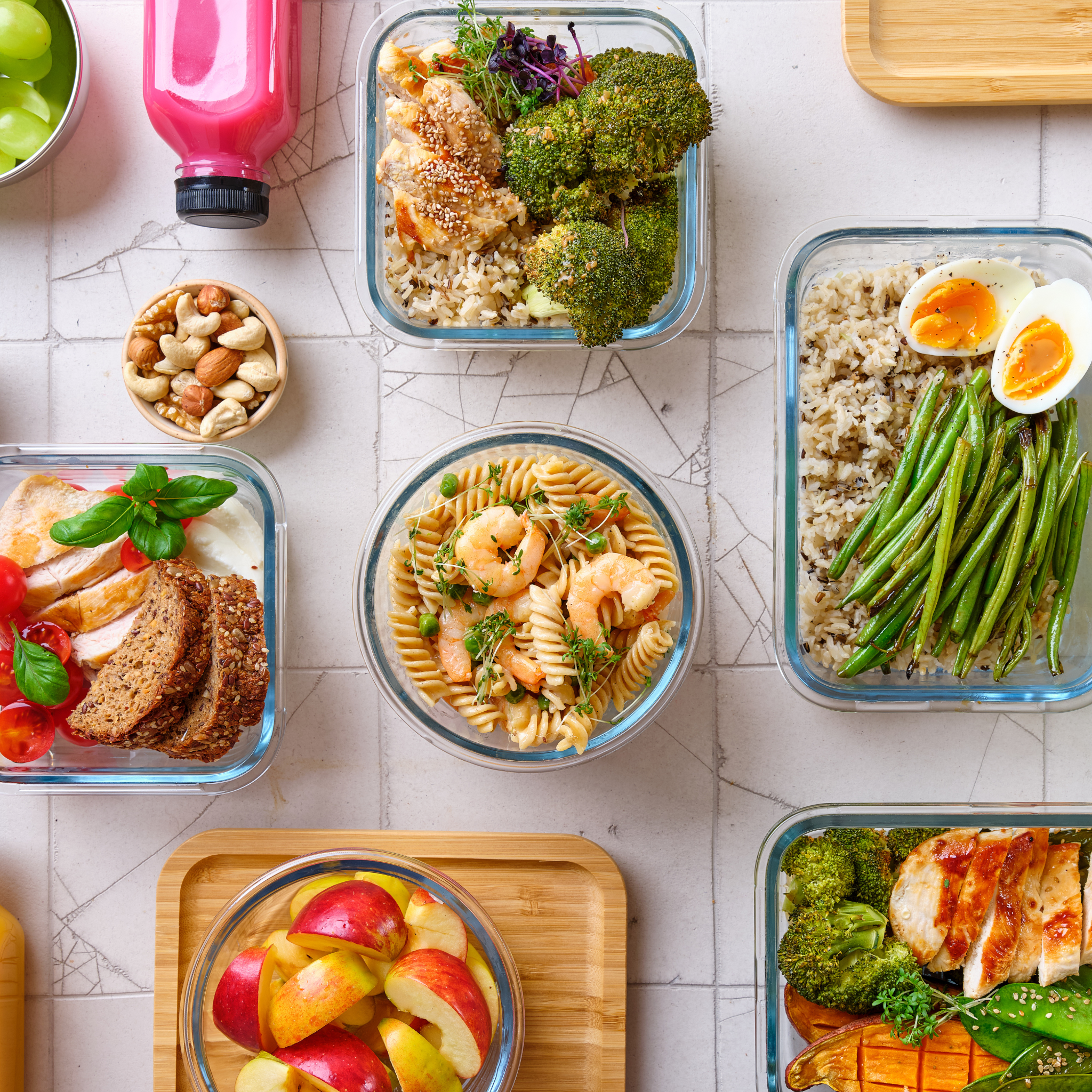
Convenience does not have to mean sacrificing nutrition. When life is busy, thoughtfully chosen convenience items can make meal planning realistic and sustainable. Pre-washed salad greens, frozen vegetables, canned beans, pre-cooked grains, and rotisserie chicken are excellent examples of time-saving ingredients that maintain most of their nutritional value. These items allow you to assemble meals in minutes, ensuring that healthy eating remains achievable even during hectic days.
The key is to use these shortcuts strategically. For example, frozen vegetables are often flash-frozen at peak ripeness, which preserves vitamins and minerals, making them as nutritious-or sometimes even more so-than fresh produce that has traveled long distances. Canned beans and lentils provide a quick protein and fiber source that can be added to salads, soups, or stir-fries without hours of soaking and cooking. Similarly, pre-cooked whole grains like quinoa or brown rice can form the base of multiple meals, saving time and effort while ensuring balanced nutrition.
Rotisserie chicken or pre-cooked proteins can be shredded into salads, wraps, or grain bowls for rapid meal assembly. Combining these convenience items with fresh produce, healthy fats, and seasonings allows you to enjoy diverse and flavorful meals without the pressure of cooking from scratch every day. With thoughtful planning, convenience becomes a tool that supports consistency and nutritional quality rather than a shortcut that compromises health.
Mindful Grocery Shopping
Successful meal planning begins at the grocery store. Shopping without a plan often leads to impulse purchases or forgotten ingredients, which can disrupt your weekly meals and create unnecessary stress. Creating a focused grocery list based on your meal templates or recipes ensures that you have everything needed for the week. It also encourages intentional choices rather than reactive decisions based on cravings or convenience.
Organizing your shopping list by category-produce, protein, grains, pantry staples-can save time in the store and reduce the mental load of remembering every item. Paying attention to seasonal produce allows you to select fresher, more flavorful, and often more affordable ingredients, while considering versatile items helps you use the same ingredient in multiple dishes. For instance, roasted sweet potatoes can serve as a side dish, a salad topping, or a component in a grain bowl, reducing waste and maximizing efficiency.
Shopping mindfully also extends to reading labels, selecting minimally processed options, and comparing alternatives for quality and cost. Combining these practices ensures that your grocery shopping reinforces your meal planning goals, keeps your pantry stocked with nutrient-dense foods, and reduces reliance on unhealthy last-minute options.
Supporting Energy and Satiety with Balanced Meals
One of the most important goals of meal planning is maintaining consistent energy levels and preventing mid-day fatigue. Balanced meals that include a combination of lean protein, complex carbohydrates, fiber, and healthy fats promote sustained energy, mental clarity, and long-term satiety. Ignoring balance can lead to blood sugar spikes and crashes, causing fatigue, cravings, and poor concentration.
For instance, pairing roasted vegetables, whole grains, and legumes provides a slow-release source of carbohydrates, protein, and fiber that keeps energy levels stable. Adding a portion of healthy fats, such as avocado, olive oil, or nuts, further supports nutrient absorption and prolongs satiety. These small but intentional adjustments make it easier to stay focused during work, maintain productivity, and avoid reaching for quick, less nutritious snacks.
Additionally, balanced meals help regulate appetite signals, reduce cravings for sugary or processed foods, and promote consistent hydration and nutrient intake throughout the day. Over time, eating in this way trains your body to expect and thrive on structured, nourishing meals, making healthy eating effortless rather than a constant battle against fatigue and temptation.
Thoughtful meal planning that combines convenience, mindful shopping, and balance not only supports energy but also contributes to long-term health, weight management, and overall well-being. With these strategies in place, even the busiest schedules can accommodate nutritious, satisfying meals that keep you energized and focused every day.

Conclusion
Simple meal planning is not about perfection-it’s about consistency, preparation, and flexibility. By using meal templates, batch cooking ingredients, incorporating smart convenience items, shopping mindfully, and focusing on balanced nutrition, busy individuals can eat well without feeling overwhelmed. Meal planning supports energy, reduces stress, prevents unhealthy shortcuts, and fosters sustainable habits that last a lifetime. With a practical, flexible approach, even the busiest schedules can accommodate nutritious, satisfying meals every day.
Leave a Reply