
Understanding Food Marketing vs. Food Reality
In today’s world, grocery shelves and online stores are filled with bold claims, catchy slogans, and colorful packaging promising health, weight loss, or enhanced performance. While marketing can help brands communicate, it often blurs the line between perception and reality. Understanding the difference between marketing messages and actual food quality is essential for making informed, health-conscious choices that align with your long-term well-being.
The Power of Marketing in Food Choices
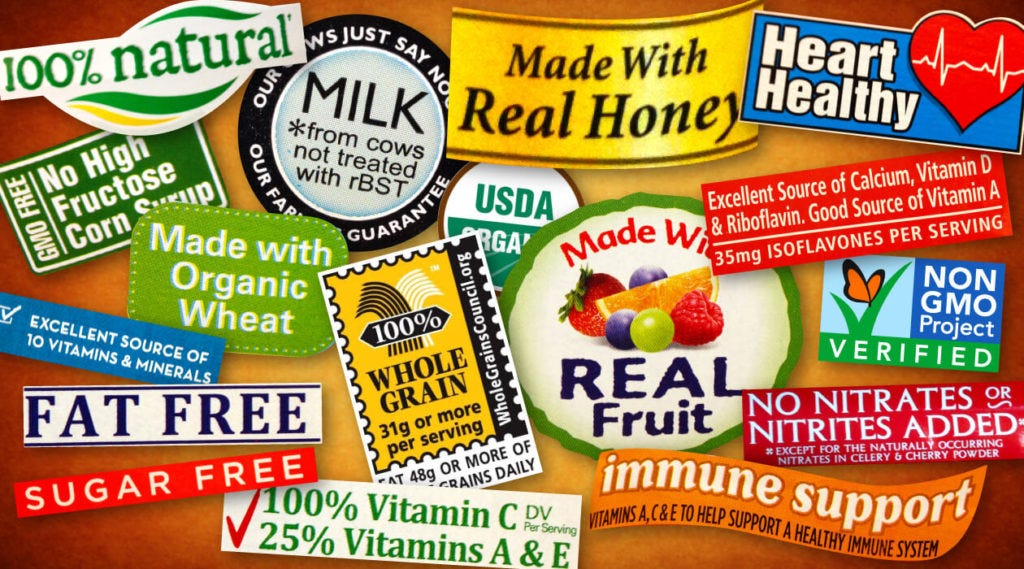
Food marketing is designed to grab attention, trigger emotions, and influence purchasing behavior. Labels such as “natural,” “gluten-free,” “low-fat,” or “superfood” often imply health benefits that may not reflect the overall nutritional profile. Bright colors, health-focused imagery, and endorsements from celebrities or influencers can further reinforce positive perceptions, regardless of whether the product is truly beneficial.
Studies have shown that consumers often assume that products labeled “healthy” are lower in sugar, salt, or calories, even when this is not the case. Packaging can give the illusion of health, but without scrutinizing the ingredients and nutrient content, it’s easy to be misled. Developing the skill to see beyond marketing is crucial for maintaining realistic expectations about food.
Common Marketing Claims and What They Really Mean
Many marketing claims are designed to highlight a single positive aspect while downplaying other less favorable ones. For instance, “low-fat” snacks may be high in sugar or refined carbohydrates, while “natural” or “plant-based” does not automatically equate to nutritious. Similarly, terms like “immune boosting” or “detoxifying” often have little scientific backing, yet they resonate with health-conscious buyers.
Understanding these claims involves reading labels critically and knowing what to look for: the total nutritional profile, ingredient quality, and the presence of added sugars, sodium, and preservatives. Evidence-based knowledge allows you to separate products that genuinely support health from those relying on hype.
Reading Labels to See the Whole Picture
The most reliable way to navigate marketing claims is to focus on the information on the nutrition facts panel and ingredients list. Look for products with whole, minimally processed ingredients and a balance of macronutrients. Be cautious of items with long lists of unfamiliar chemicals, artificial colors, or sweeteners. Evaluating the entire nutritional profile rather than a single highlighted benefit helps you make choices aligned with real health outcomes.
Portion size is also critical. Many “healthy” foods are packaged in ways that encourage overeating, which can negate perceived benefits. Being mindful of serving sizes ensures that the food you choose actually delivers balanced nutrition without excessive calories or additives.
Strategies to Avoid Marketing Traps
One effective approach is to focus on whole foods: fruits, vegetables, whole grains, lean proteins, and healthy fats. These require minimal marketing because their benefits are well-established. When choosing packaged foods, compare brands, read labels carefully, and ask whether the product genuinely fits into your overall eating pattern.
Another strategy is to separate marketing hype from evidence-based nutrition by asking key questions: Does the product provide meaningful nutrients? Is it minimally processed? Does it align with your health goals? By consistently applying these criteria, you develop a discerning eye for food marketing and reduce the likelihood of being swayed by labels alone.

Conclusion
Understanding food marketing versus reality empowers you to make informed, practical nutrition choices. By focusing on whole, minimally processed foods, critically evaluating packaging claims, and reading labels carefully, you can avoid common marketing traps. Developing these skills supports long-term health, helps maintain balanced eating habits, and ensures that your food choices are guided by evidence rather than advertising tactics.
Leave a Reply