
Building Sustainable Eating Habits Without Strict Rules
Many people struggle with maintaining healthy eating patterns because of strict diets, rules, and unrealistic expectations. Sustainable eating habits focus on creating a lifestyle that is flexible, manageable, and long-lasting. The goal is not perfection but consistency, allowing you to make choices that promote health, energy, and well-being while fitting naturally into your daily life. By adopting a flexible, food-positive approach, you can enjoy meals, reduce stress, and build habits that last a lifetime.
Why Strict Rules Often Fail
Diets that rely on rigid rules, elimination, or extreme restrictions can work temporarily, but they often fail in the long term. When eating becomes a source of stress, guilt, or anxiety, it is difficult to sustain. Many restrictive approaches overlook the social, emotional, and practical aspects of eating, which can lead to feelings of deprivation and eventual diet burnout. Sustainable habits, in contrast, emphasize adaptability and balance rather than an all-or-nothing approach.
Strict rules also ignore the natural fluctuations of hunger, appetite, and lifestyle demands. Life events, travel, work schedules, and family obligations can disrupt rigid diets, leading to frustration and inconsistency. Building habits that accommodate these realities increases the likelihood of long-term adherence and creates a healthier relationship with food.
Start Small: The Power of Gradual Changes
One of the most effective strategies for creating sustainable eating habits is starting with small, manageable changes. Begin by incorporating one or two healthy behaviors at a time, such as adding an extra serving of vegetables to lunch or swapping sugary beverages for water. These minor adjustments accumulate over time, reinforcing consistency without overwhelming your routine. Gradual changes allow habits to become ingrained naturally, making them easier to maintain and expand.

Consistency Is More Important Than Perfection
Consistency is the cornerstone of sustainable nutrition. Even if your meals are not perfect every day, eating mostly balanced foods consistently has a greater impact on long-term health than sporadic perfection. For example, eating a well-balanced breakfast, lunch, and dinner most days of the week builds habits that support weight management, energy, and nutrient adequacy. Occasional indulgences or deviations are part of a normal, healthy eating pattern and do not undermine your progress.
Building consistency also helps reduce the mental burden of dieting. When you view healthy eating as a daily pattern rather than a one-time effort, it becomes less stressful and more natural. Over time, these habits become automatic, requiring less conscious effort while still providing substantial benefits.
Mindful Eating Practices
Mindfulness is an essential tool for building sustainable eating habits. Paying attention to hunger cues, eating slowly, and savoring meals helps prevent overeating and improves digestion. Mindful eating encourages awareness of food choices, allowing you to recognize patterns and make adjustments without external rules. By focusing on the sensory experience of eating, you also cultivate enjoyment and satisfaction, which reinforces long-term adherence to healthy habits.
Building Balanced and Flexible Meals
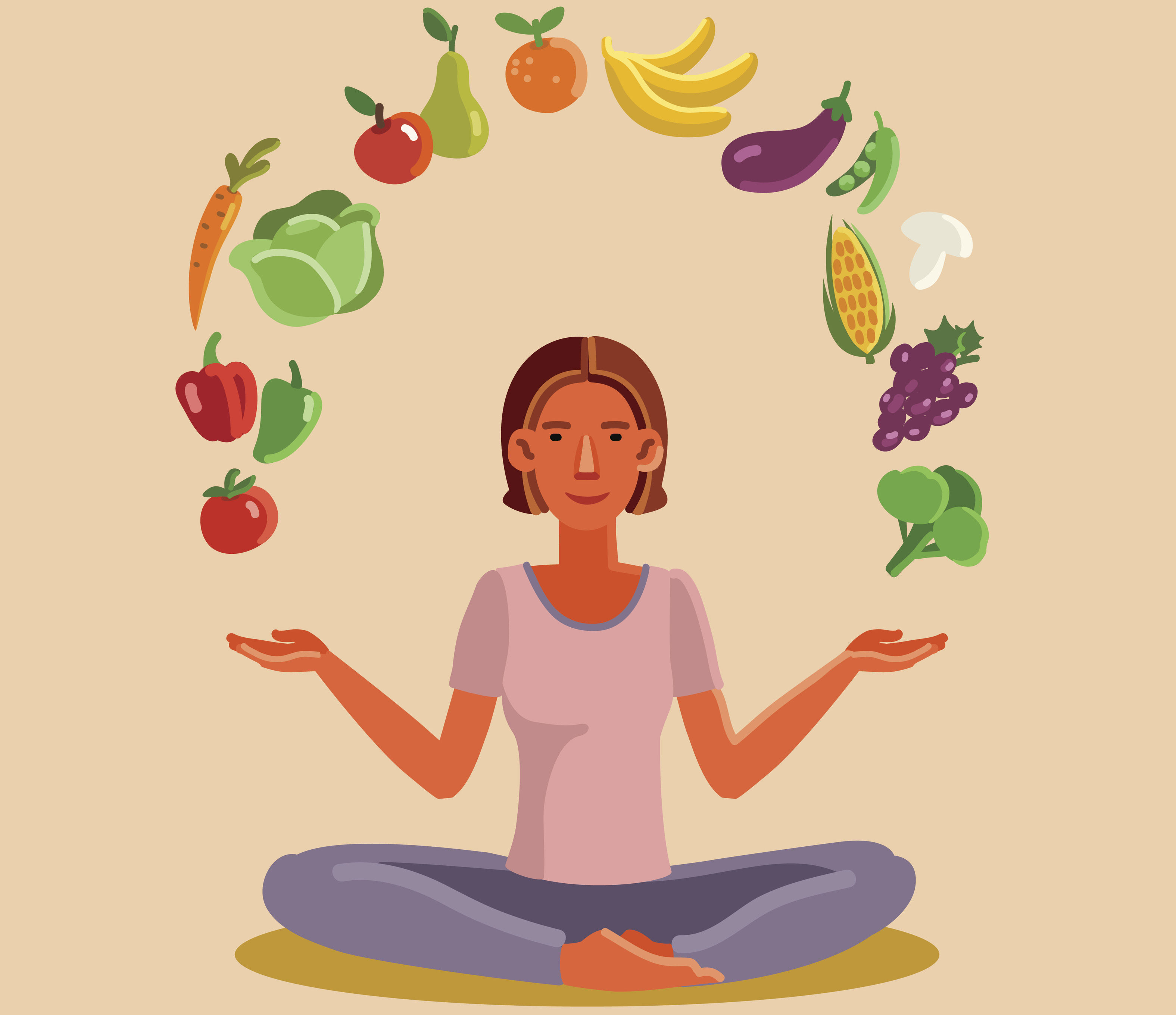
A key principle of sustainable eating is balance. Focus on meals that combine a variety of foods to provide protein, carbohydrates, healthy fats, fiber, and micronutrients. For instance, pairing whole grains with lean proteins, colorful vegetables, and healthy fats ensures nutrient density and satiety. Balanced meals maintain energy levels, reduce cravings, and support overall health without strict portion or calorie counting.
Flexibility in meal planning allows you to adapt to changing circumstances. If your preferred vegetables are unavailable, substitute alternatives without guilt. If a busy schedule prevents cooking, focus on healthy convenience options rather than skipping meals or defaulting to highly processed foods. Flexible approaches make sustainable eating achievable in real-world contexts.
Planning Ahead for Success
Meal planning and preparation are practical strategies that support consistent, flexible habits. By preparing meals ahead of time, you reduce reliance on convenience foods and ensure nutrient-rich options are always available. Batch cooking, freezing, or prepping snacks in advance saves time and encourages adherence to healthy patterns. Planning also helps balance your diet across the week, ensuring variety and preventing nutritional gaps.

The Role of Enjoyment and Variety
Enjoyment is an often-overlooked component of sustainable eating. Including foods you love makes healthy eating feel rewarding rather than restrictive. Rotating ingredients, experimenting with new recipes, and allowing occasional treats prevents monotony and supports long-term adherence. Variety ensures nutrient diversity, which is crucial for overall health and gut microbiome balance.
Sustainable eating is not about avoiding all indulgences but integrating them thoughtfully. By framing treats as part of a balanced lifestyle, you can maintain consistency while enjoying meals without guilt.
Long-Term Benefits of Sustainable Habits
Habits built on flexibility, balance, and consistency promote lasting health, better digestion, stable energy, and improved mental well-being. Unlike temporary diets, these patterns become a lifestyle, reducing stress, supporting healthy weight management, and fostering a positive relationship with food. Over time, small, consistent choices compound into significant benefits for overall health and quality of life.
Conclusion
Building sustainable eating habits without strict rules is achievable by focusing on flexibility, balance, mindfulness, and consistency. Start with small changes, prioritize enjoyable foods, plan ahead when possible, and embrace imperfections. Over time, these realistic strategies create lasting healthy habits that support both physical and mental well-being. Sustainable eating is not a diet—it’s a lifestyle that adapts to your life and fosters long-term health.
Leave a Reply